Ecotone Newsletter
Programs and Services
Enviornmental Projects
Spirit of Place Kayak Trips
Writings on Spirituality and the Environment
Tai Chi Chuan
Earth Gifts
Contact
History
Home
ENVIRONMENTAL PROJECTS
Wings & Seeds The Zaagkii Project Video: Wings & Seeds The Zaagkii Project
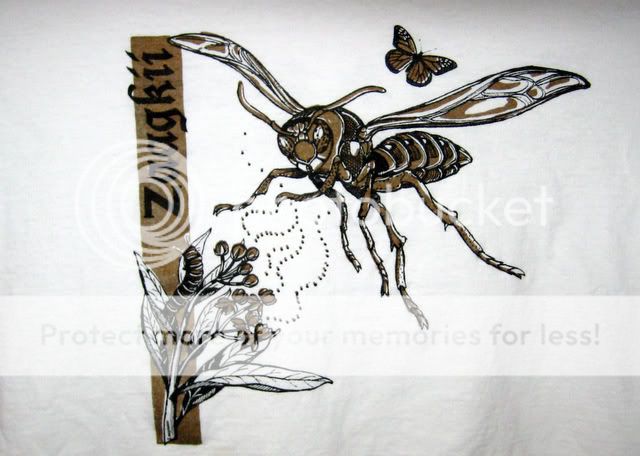
(Marquette, Michigan) - Northern Michigan teens are on a mission to protect pollinators by helping butterflies and restoring native plants to areas of the Upper Peninsula.

Perhaps the best know pollinators are bees - like honey bees and bumble bees.

Billions of these bees are dying across the world in a syndrome called Colony Collapse Disorder.
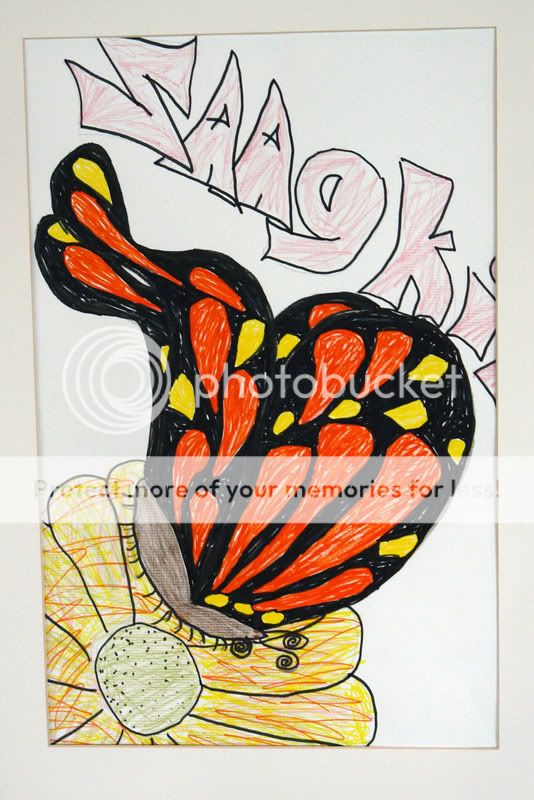
Zaagkii Project artwork created by a teen volunteer

Bees are disappearing and it's not clear why - although human impact on the environment are among the suspected causes like pesticides and global warming.

A world without bees would mean world without food. - as was dramatically pointed out in the Jerry Seinfield 2007 comedy - Bee movie.

Bees go on strike causing plants across the world die - that means no food, no flowers, no trees - the death of civilization.

After bees, the next best pollinators are butterflies.
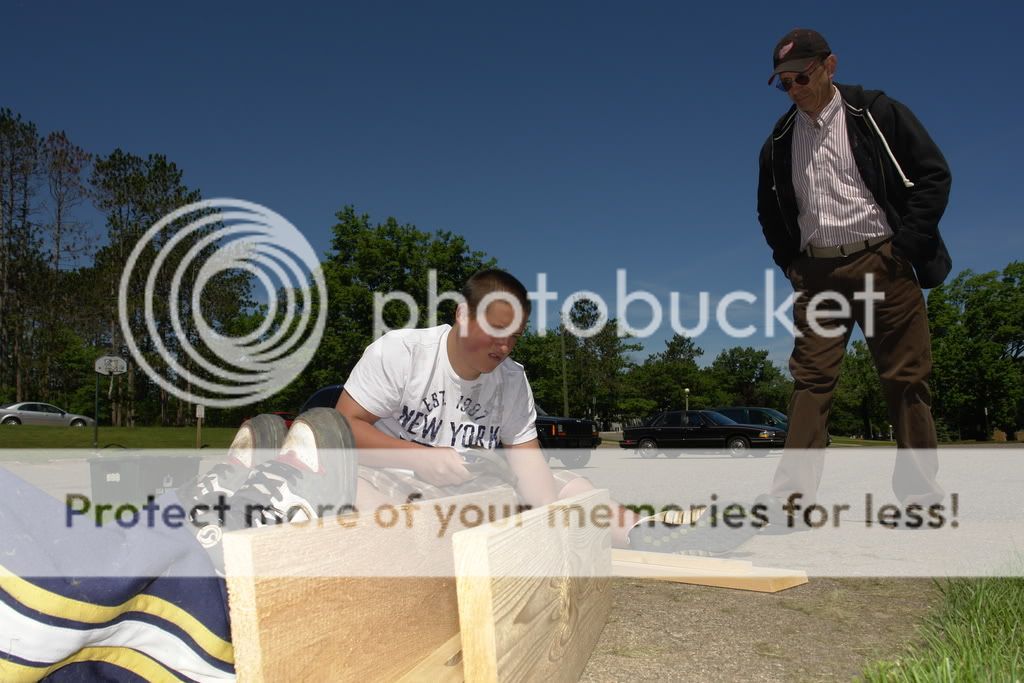
Marquette teens build a butterfly house in July 2008 in the parking lot of the Grace United Methodist Church.

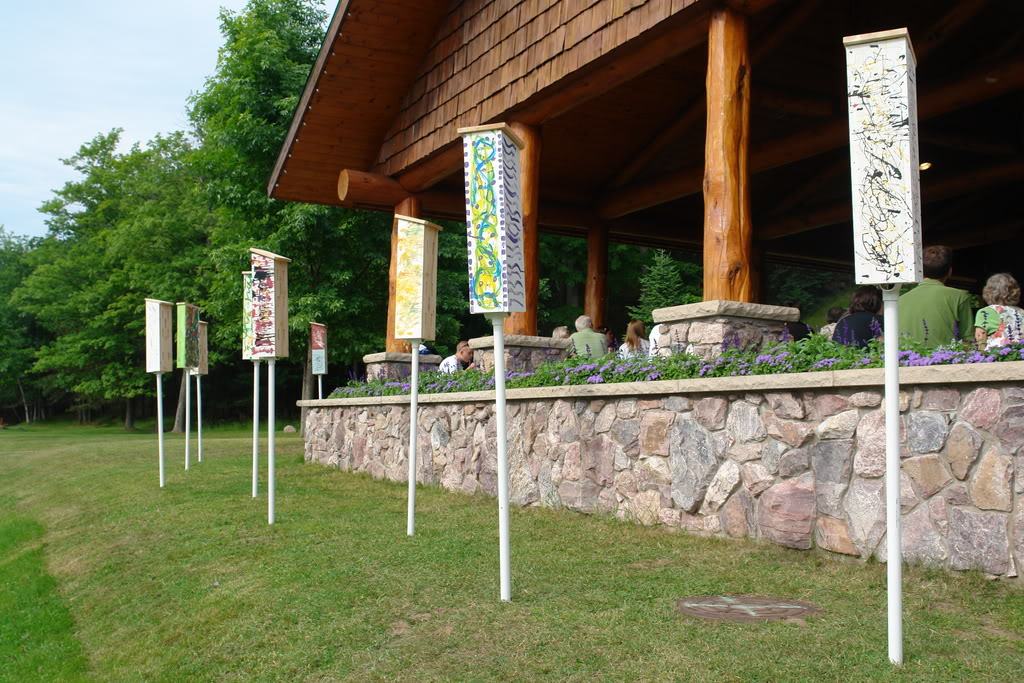
The butterfly houses are longer than the better known birdhouses and are lined with bark.
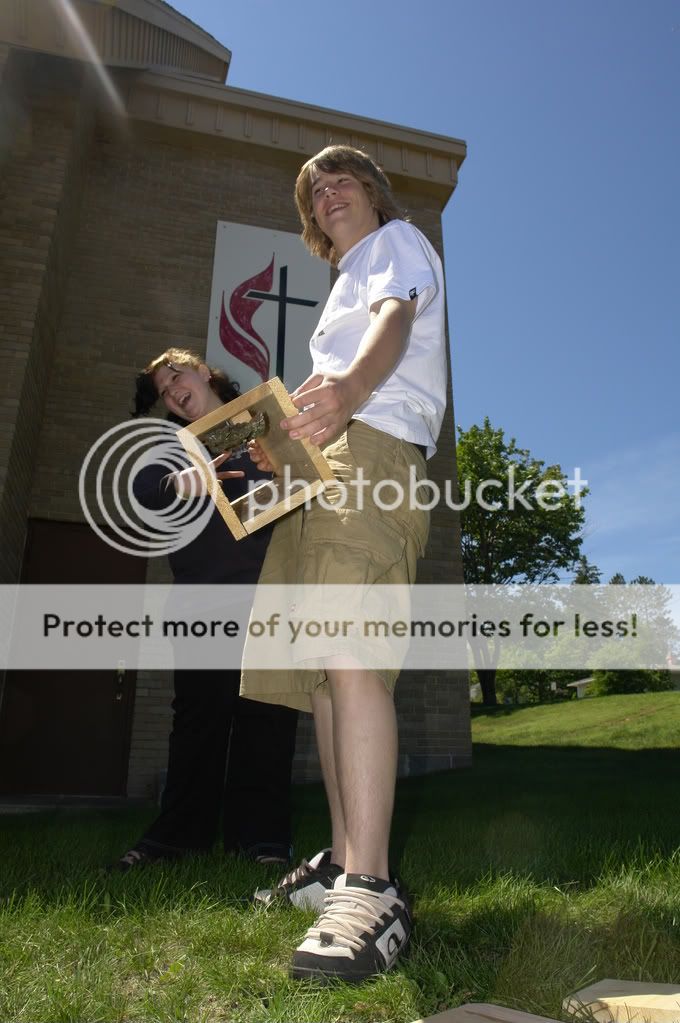
Marquette, Michigan area teens and Native American youth spent the summer of 2008 building butterfly houses - that are longer and slimmer than birdhouses and are lined with bark.

Teens participating in the Keweenaw Bay Indian Community Summer Youth Program built and painted the houses at the tribe's Natural Resource Department along Lake Superior.

KBIC Natural Resource Department Director Todd Warner said the Zaagkii Project is a good way for youth to become aware of their connection to natural resources and nature.

The butterfly houses offer protection to butterflies that can enter through tiny slits.

Butterfly houses, pictured above on poles, also offer rest to migrating monarchs and can be used for reproduction.
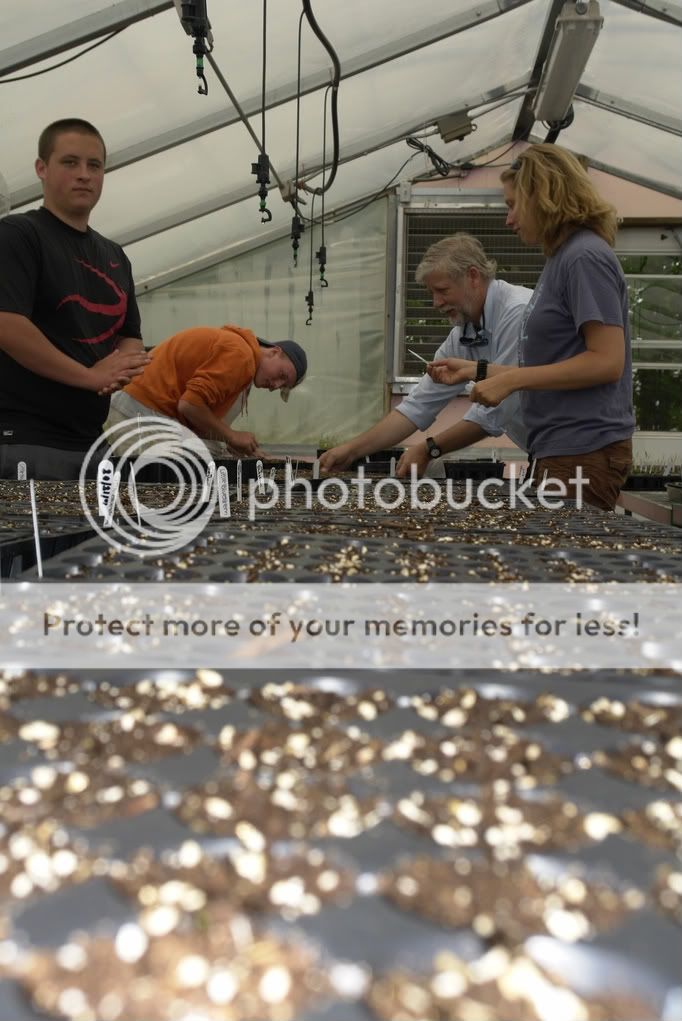
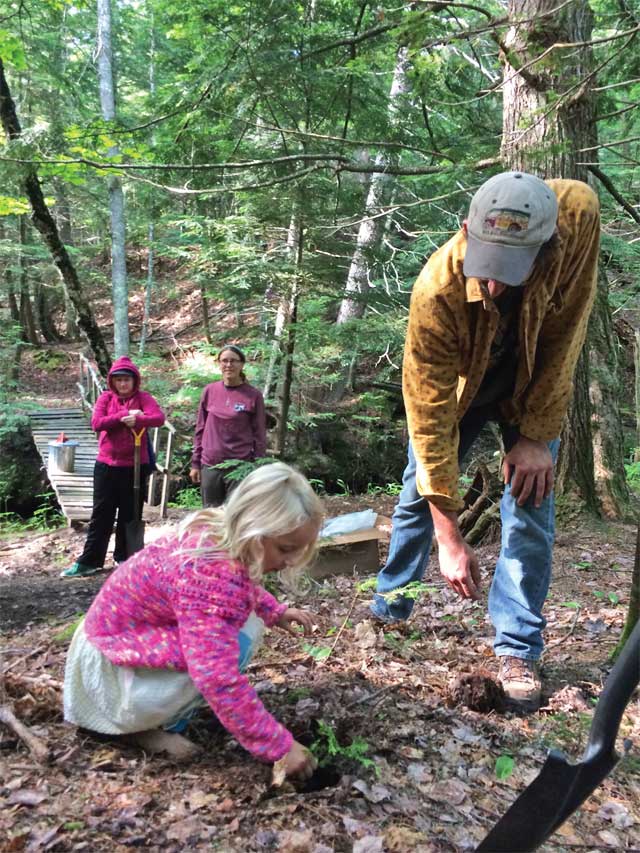
Marquette teens and two Zaagkii Project volunteers are pictured in July 2008 planting native plant seeds at the Hiawatha National Forest Green House in Marquette, MI

Marquette teens have planted or distributed 26,000 native plant including at the Hiawatha National Forest greenhouse in Marquette.

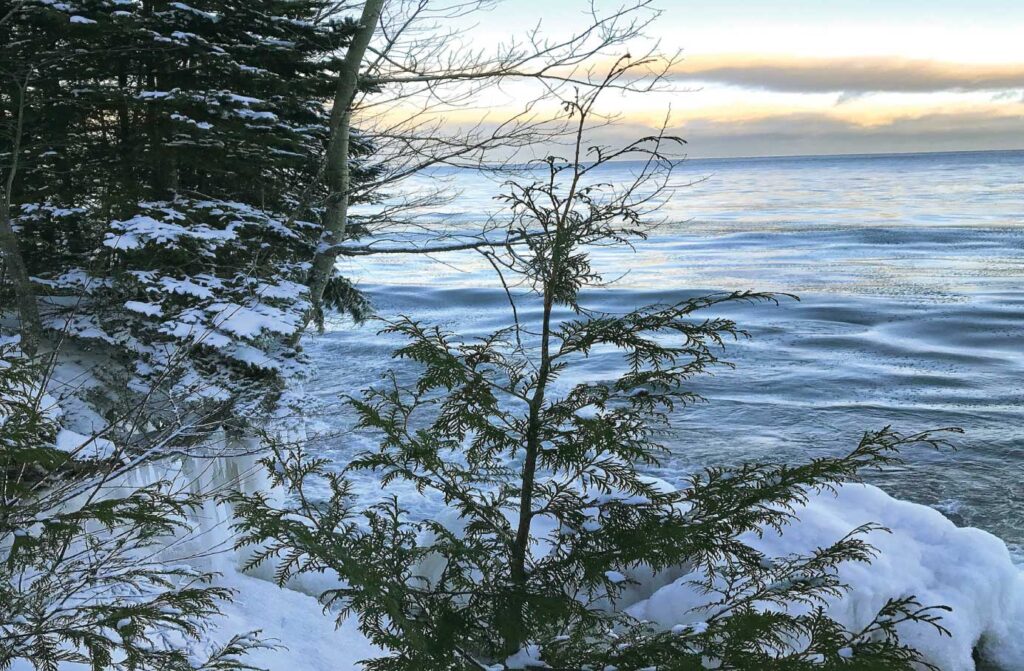
In the spring of 2009 some of the plants will be planted at several areas across northern Michigan including at Sand Point - a beach that the Keweenaw Bay Indian Community has been repairing from the effects of copper mining.

The mine dumped copper processing waste into Lake Superior in the late 1800s and early 1900s - polluting miles of shoreline.

KBIC Photo of Sand Point

The tribe capped the pollution and the native plants will be used to attract wildlife and restore the ecosystem.

The Zaagkii Wings and Seeds Project will enter its second year in the summer of 2009.

This is the first of several videos on the many aspect of the Zaagkii Project that was founded by the non- profit Cedar Tree Institute in Marquette that has sponsored numerous environment projects.
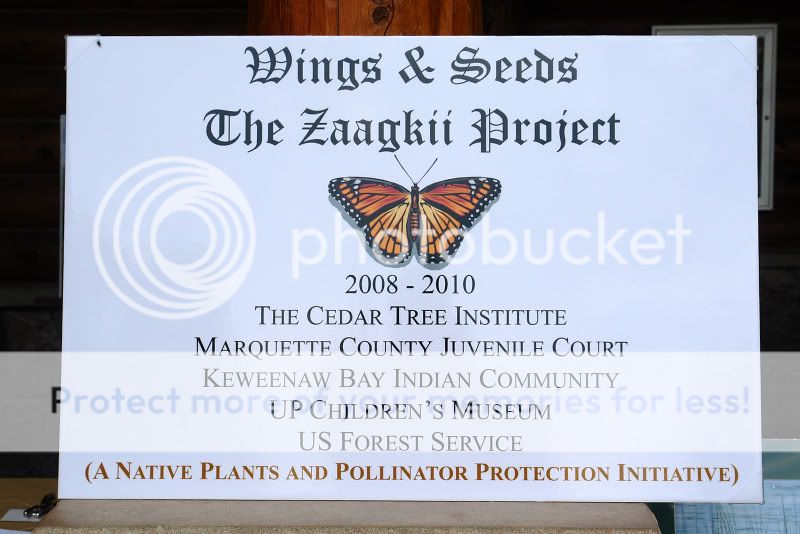
The three-year Zaagkii Project is sponsored by the CTI, Marquette County Juvenile Court, Keweenaw Bay Indian Community (KBIC) and the United States Forest Service (USFS).

Future videos will include a look at a bee farm in Marquette County that fascinated Zaagkii Project teens who received a close look at the hives and learned about the importance of pollinators.
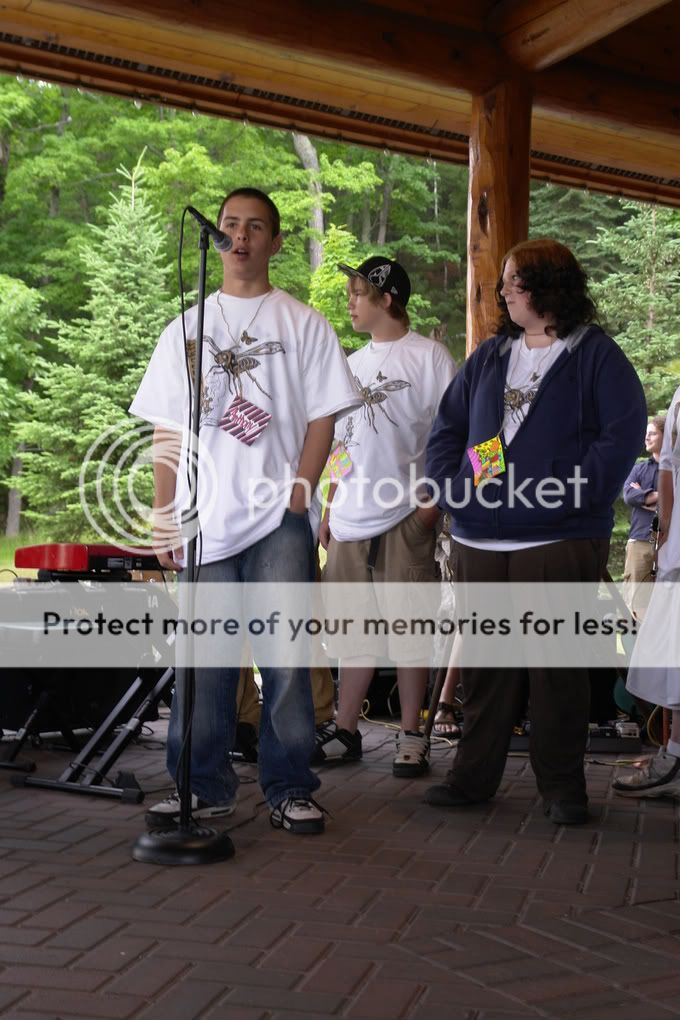
Pictured above, the Cedar Tree Institute held a BBQ in July 2008 to honor the Zaagkii Project teens at Presque Isle Park in Marquette, MI.

The teens visited a KBIC pow-wow where they were recognized. And amongst numerous news stories done on project Jan Schultz of the USFS was interviewed by a California radio station about Zaagkii Project.
The Zaagkii Project is made possible by contributors like the Marquette Community Foundation, the Negaunee Community Fund, the Negaunee Community Youth Fund, the M.E. Davenport Foundation, the Kaufman Foundation, the Phyllis and Max Reynolds Foundation, with assistance from the Upper Peninsula Childrens Museum in Marquette, Mich. and the Borealis Seed Company in Big Bay, Mich.
-------
Related items:
-------
Environment prayer thanks to EarthWords Dec. 14, 2008 issue - produced by Rev. Charlie West of the Grace UMC Church in Marquette - a leader in the Earth Keeper Initiative.

Eternal God, your amazing power to innovate goes on forever, but in our time we are seeing your glorious Creation slipping away.

Continue to touch our hearts with a concern for Creation; continue to give us wisdom and insight into Creation's healthy parameters; continue to draw us together on Creation's behalf and well-being.

Then as the earth brings forth its shoots may our lives bring forth your love and justice and grace.
---
EarthWords Suggests - Give a native species plant:

Consider a (local) live plant gift, or perhaps even a contribution to purchase and preserve rain forest or some other wilderness place!

EarthWords is produced by Charlie West Ink

EarthWords website


email EarthWords

---

Austin, Texas Honeybee video courtesy: Johnnie Hargrave

Photos by Richard Burkmar; Paul Billiet & Shirley Burchill

Wikipedia photos by (Usernames when real name not available): Tübingen-Hagelloch, Björn Appel, Warden, Debi Vort, Kristof Van der Poorten, John Severns, Waugsberg, Kenneth Dwain Harrelson, Derek Ramsey, John O'Neill

---
KBIC Zaagkii Wings and Seeds Project contact info and web links
---
Keweenaw Bay Indian Community (KBIC) Contacts:

KBIC Tribal Chair Warren C. "Chris" Swartz Jr.
906-353-6623 ext. 4104
---
KBIC Vice Chair Susan LaFernier
906-353-6623
---
KBIC Natural Resource Department (NRD)

Todd Warner, NRD Director
KBIC Natural Resource Director
Ph: (906) 524-5757 ext. 13
---
Evelyn Ravindran, KBIC NRD Natural Resources Specialist
906-524-5757 ext. 11
---
KBIC NRD Staffers interviewed:
Katie Kruse, NRD Environment specialist
Char Beesley. Environment Specialist
Kit Laux, NRD Water Quality Specialist
(906) 524-5757
----
Other KBIC Contacts:

Kim Klopstein, one of the summer youth supervisors for the KBIC Summer Youth Program
906-201-0020
--------
United State Department of Agriculture (USDA) oversees United States Forest Service (USFS)
USDA USFS
Forest Service Eastern Region
626 E. Wisconsin Ave.
Suite 700
Milwaukee, Wis.
53202
---

USFS Official Jan Schultz speaks to Zaagkii Project supporters and volunteers in July 2008 at a Cedar Tree institute BBQ at Presque Isle Park in Marquette, MI

Jan Schultz, Botany & Non-native Invasive Species Program Leader

USFS Milwaukee

(414) 297-1189 (wk)

---

Jane Cliff, USFS Public Relations in Milwaukee

(414) 297-3664

---

Angie Lucas, contractor, Hiawatha National Forest Greenhouse Manager

(906) 228-8491

---

Terry Miller, forest botanist

Hiawatha National Forest Office

Escanaba, Mich.

906-789-3319

---

Deb LeBlanc, WestSide Plant Ecologist

Hiawatha National Forest

Munising, Mich. Office

Does Monarch Workshops

906-387-2512 ext. 19

-------

Beekeeper Jim Hayward

Negaunee, Michigan

(906) 475-7582

----

Carole Touchinski, Marquette & Negaunee community foundations

906-226-7666

http://www.mqt-cf.org

---

Rev. Jon Magnuson, Zaagkii Wings and Seeds founder & Executive Director of non-profit Cedar Tree Institute (CTI)

(906) 228-5494 (hm)

---

Links:

---

United States Forest Service (USFS) celebrating wildflowers website:

http://www.fs.fed.us/wildflowers/index.shtml

http://www.fs.fed.us/wildflowers/pollinators/index.shtml

---

Cedar Tree Institute - non-profit in Marquette, Michigan:

http://www.cedartreeinstitute.org

---

Keweenaw Bay Indian Community:

http://www.kbic-nsn.gov

---

Marquette County Juvenile Court:

http://www.co.marquette.mi.us/probate.htm

http://www.co.marquette.mi.us/courts.htm

---

Marquette County Juvenile Court & Project WEAVE:

http://www.reclaimingfutures.org/?q=locations_marquette

---

Borealis Seed Company

Big Bay, Michigan

Run by mother-daughter team of Judy Keast and Suzanne Rabitaille cultivating about 5 acres of a 20-acre spread three miles south of Big Bay, Michigan.

http://www.ltbbodawa-nsn.gov/index.html

---

Upper Peninsula Children's Museum

http://www.upcmkids.org

---

Bee Movie:

http://www.beemovie.com

Created in 2007 by Jerry Seinfeld and DreamWorks Animation

---

Monarch Watch::

http://monarchwatch.org

Monarch Author Lynn M. Rosenblatt

http://www.monarchbutterflyusa.com/Magic.htm

Numerous Monarch related links:

http://www.kidsgardening.com/pollinator/curriculum/resources.php

http://www.insecta-inspecta.com/butterflies/monarch/index.html

http://www.nhptv.org/natureworks/monarch.htm

http://www.learner.org/jnorth/monarch

---

Wikipedia on Monarchs:

http://en.wikipedia.org/wiki/Monarch_Butterfly

Female Monarch photo:

http://upload.wikimedia.org/wikipedia/en/6/63/Monarch_In_May.jpg

Wiki May 2007 Photograph of a Monarch Butterfly by Kenneth Dwain Harrelson

Male Monarch Photo by Derek Ramsey (Ram-Man) at the Tyler Arboretum

http://upload.wikimedia.org/wikipedia/commons/7/73/Monarch_Butterfly_Danaus_plexippus_Male_26 64px.jpg

http://en.wikipedia.org/wiki/User:Ram-Man

---

Bees disappearing around the world:

http://en.wikipedia.org/wiki/Pollinator_decline

http://en.wikipedia.org/wiki/Bees_and_toxic_chemicals

http://en.wikipedia.org/wiki/Colony_Collapse_Disorder

http://en.wikipedia.org/wiki/Pesticide_toxicity_to_bees

http://en.wikipedia.org/wiki/Imidacloprid_effects_on_bee_population

http://www.burtsbees.com/webapp/wcs/stores/servlet/ContentView?contentPageId=531&cata logId=10051&storeId=10001&langId=-1

http://www.polinator.org

http://www.vanishingbees.com

http://en.wikipedia.org/wiki/Diseases_of_the_honey_bee

http://en.wikipedia.org/wiki/Endangered_arthropod

Wikipedia Honeybee Photos by Björn Appel, Wikipedia Username Warden.

http://en.wikipedia.org/wiki/User:Warden

Edit by Waugsberg (cropped)

A honeybee on an apiary, cooling by flapping its wings in Tübingen-Hagelloch.

http://upload.wikimedia.org/wikipedia/commons/c/c5/Honeybee-cooling_cropped.jpg

http://upload.wikimedia.org/wikipedia/commons/d/df/Honeybee-cooling.jpg

Wiki Bee photos by Waugsberg

http://en.wikipedia.org/wiki/User:Waugsberg

http://upload.wikimedia.org/wikipedia/commons/d/dc/Biene_88a.jpg

http://commons.wikimedia.org/wiki/Image:Biene_88a.jpg

http://upload.wikimedia.org/wikipedia/commons/b/b8/Bienen_im_Flug_52e.jpg

---

Bumblebees: Space For Nature Garden biodiversity forum

http://www.wildlife-gardening.org.uk/default.asp?gallery=Galleries\Animals\Insects\Bumblebees\b ombus-pascuorum-040616.xml

Bumblebee Photo Copyright Richard Burkmar 2004. Permission is hereby granted for anyone to use this image for non-commercial purposes which are of benefit to the natural environment.

Richard Burkmar (editor of Space for Nature) graduated from the University College of Cardiff in 1984 with a degree in zoology and a PhD in avian ecology in 1989. He currently works for Merseyside Environmental Advisory Service where he manages the North Merseyside Biodiversity Action Plan (Liverpool, St. Helens, Knowsley and Sefton Boroughs).

---

Bumblebees: Buckingham Nurseries and Garden Centre

http://www.buckingham-nurseries.co.uk/acatalog/bumblebees.html

Bumblebee photo by Oxford Bee Company/Buckingham Nurseries and Garden Centre

Bumblebees by Christopher O'Toole

http://www.buckingham-nurseries.co.uk/acatalog/Index_Pollination_Bees_27.html#33171

Chris O'Toole is the director of Bee Systematics and Biology Unit at the Oxford University Museum of Natural History.

He has written many books on insect natural history including Bees of the World and Alien Empire.

Pictures and information provided by the Oxford Bee Company & Buckingham Nurseries and Garden Centre website

---

Wind Pollinated plants like Rye are important but are not food sources for pollinators:

Wind Pollinated Rye photo by Paul Billiet and Shirley Burchill

http://www.saburchill.com/chapters/chap0044.html

---

Wikipedia on Pollination:

http://en.wikipedia.org/wiki/Pollination

An Andrena bee collects pollen among the stamens of a rose. The female carpel structure appears rough and globular to the left. The bee's stash of pollen is on its hind leg.

By Debi Vort (Username Debivort)

http://en.wikipedia.org/wiki/Image:Bee_pollenating_a_rose.jpg

http://en.wikipedia.org/wiki/User:Debivort

---

A European honey bee collects nectar, while pollen collects on its body.

A European honey bee (Apis mellifera) extracts nectar from an Aster flower using its proboscis. Tiny hairs covering the bee's body maintain a slight electrostatic charge, causing pollen from the flower's anthers to stick to the bee, allowing for pollination when the bee moves on to another flower.

Photo by John Severns (Wikipedia username Severnjc)

http://en.wikipedia.org/wiki/Image:European_honey_bee_extracts_nectar.jpg

http://en.wikipedia.org/wiki/User:Severnjc

---

Blueberries being pollinated by bumblebees. Bumblebee hives need to be bought each year as the queens must hibernate (unlike honey bees). They are used nonetheless as they offer advantages with certain fruits as blueberries (such as the fact that they are active even at colder outdoor ambient temperature) A picture showing blueberry pollination by bumblebees, as well as the system of furrow irrigation using siphon tubes. Pictures were taken at "blueberry fields", Koersel, Belgium.

A picture showing blueberry pollination by bumblebees, as well as the system of furrow irrigation using siphon tubes. Pictures were taken in July 2008 at "blueberry fields", Koersel, Belgium.

http://en.wikipedia.org/wiki/Image:BlueberryPollinationByBumblebees.jpg

Photo by Kristof Van der Poorten Wikipedia username KVDP

http://commons.wikimedia.org/wiki/User:KVDP

http://kvdp.blogspot.com

http://healingweb.blogspot.com

Environmental Health Science of Columbia University

60 Haven Ave.

Room 100

New York, NY

10032

http://www.mailman.hs.columbia.edu/ehs/index.html

---

Wikipedia on Cultivars & Hybrids:

A cultivar is a particular variety of a plant species or hybrid that is being cultivated and/or is recognized as a cultivar under the ICNCP. The concept of cultivar is driven by pragmatism, and serves the practical needs of horticulture, agriculture, forestry, etc.

The plant chosen as a cultivar may have been bred deliberately, selected from plants in cultivation, or discovered in the wild. Cultivars can be asexual clones or seed-raised. Clones are genetically identical and will appear so when grown under the same conditions.

http://en.wikipedia.org/wiki/Cultivar

Viola 'Clear Crystals Apricot', a hybrid cross viola (Viola x hybrida), Victoria, Australia. Wikipedia photo by John O'Neill (Wikipedia username Jjron)

http://en.wikipedia.org/wiki/User_talk:Jjron

http://en.wikipedia.org/wiki/Special:EmailUser/Jjron

---

Keweenaw Peninsula: Michigan's Copper Country:

http://en.wikipedia.org/wiki/Copper_mining_in_Michigan

http://www.unr.edu/sb204/geology/westernh.html

---

West Virginia White Butterfly & killer Garlic Mustard Seed plants:

http://en.wikipedia.org/wiki/West_Virginia_White

http://www.cbgarden.org/blog/index.php/tag/west-virginia-white-butterfly

http://leapbio.org/west_virginia_white.php

http://upload.wikimedia.org/wikipedia/en/5/5a/3402_white_WV_ws.jpg

West Virginia White, Pieris virginiensis on wild mustard Photo by Randy L Emmitt

http://www.rlephoto.com/butterflies/white_wv01.htm

---

Butterflies/Moths:

The Butterfly Site:

http://www.thebutterflysite.com

Children's butterfly links:

http://www.monarchbutterflyusa.com/Links.htm

Butterfly Encounters:

http://www.butterflyencounters.com

Butterflys and Moths of North America:

http://www.butterfliesandmoths.org

Opler, Paul A., Harry Pavulaan, Ray E. Stanford, Michael Pogue, coordinators. 2006. Butterflies and Moths of North America. Bozeman, MT: NBII Mountain Prairie Information Node. http://www.butterfliesandmoths.org

---

Deciduous forests:

http://en.wikipedia.org/wiki/Deciduous

---

Viceroys:

Viceroy Butterfly mimics Monarchs

http://en.wikipedia.org/wiki/Viceroy_butterfly

http://upload.wikimedia.org/wikipedia/commons/5/55/Viceroy_Butterfly.jpg

Wikipedia Viceroy photo by Piccolo "Pic" Namek

http://en.wikipedia.org/wiki/User:PiccoloNamek

Viceroy:

http://www.nhptv.org/natureworks/viceroy.htm

Photo by William T. Hark

---

Butterfly & endangered species hibernacula:

http://www.fws.gov/midwest/Endangered/lists/michigan-cty.html

http://www.naturenorth.com/summer/bgarden/bttgrdF.html

http://entweb.clemson.edu/museum/buttrfly/local/bfly12.htm

http://actazool.nhmus.hu/48/konvicka.pdf

http://earthcaretaker.com/naturalization/llamb.html

---

Mourning Cloaks aka Morning Cloaks:

http://www.sierrapotomac.org/W_Needham/MourningCloak_060319.htm

http://www.bentler.us/eastern-washington/insects/mourning-cloak.aspx

http://www.ivyhall.district96.k12.il.us/4th/kkhp/1insects/mourningcloak.html

http://www.naturenorth.com/spring/bug/mcloak/Fmcloak.html

---

Mason bees - bee houses in wood:

http://en.wikipedia.org/wiki/Mason_bee

http://upload.wikimedia.org/wikipedia/commons/6/6c/Osmia_rufa_couple_(aka).jpg

Photo of an Red Mason Bee couple (osmia rufa) by André Karwath of German Wikipedia also known as AKA (André Karwath):

http://commons.wikimedia.org/wiki/User:Aka

Mason Bees:

http://www.farminfo.org/bees/mason-bees.htm

http://www.everythingabout.net/articles/biology/animals/arthropods/insects/bees/mason_bee

Photo by Kim Taylor of Bruce Coleman Inc.

http://www.masonbeehomes.com/bee_houses.php

http://www.pollinator.com/mason_homes.htm

http://www.insectpix.net/Homes_for_bees.htm

---

Brownfield sites:

http://en.wikipedia.org/wiki/Brownfields

http://ncrs.fs.fed.us/4902/focus/restoration/brownfield

---

Mass Mill - copper processing waste (stamp sands) cleanup:

(search for KBIC in following document)

http://www.nrcs.usda.gov/programs/tribalgov/ImprovingPartnerships.pdf

http://www.uprcd.org/projects.asp

http://www.upea.com/filesfordownloading/Baragadraft.pdf

---

Dave Anthony & Northern Michigan University Center for Native American studies:

http://webb.nmu.edu/Centers/NativeAmericanStudies/SiteSections/Calendar/IEDSHighlights.shtml

http://webb.nmu. edu/Centers/NativeAmericanStudies/SiteSections/AboutUs/AboutUs.shtml

Manoomin Project:

http://www.indiancountry.com/content.cfm?id=1096416108

http://www.cedartreeinstitute.org/wildrice2007.html

http://www.earthtimes.org/articles/show/news_press_release,215966.%20shtml

http://blog.americanfeast.com/indigenous_food

http://www.goodnewsdaily.com/show_story.php?ID=3500

Manoomin Project Videos:

http://blip.tv/file/549632

http://blip.tv/file/341528

---

Dreamcatcher:

http://en.wikipedia.org/wiki/Dreamcatcher_(Native_American)

http://www.dreamcatcher.com/home.php

---

Northern white cedar:

http://forestry.about.com/library/tree/blntwh.htm

---

More on honeybee decline:

http://en.wikipedia.org/wiki/Pollinator_decline

http://www.masterbeekeeper.org/pdf/pollination.pdf

The Value of Honey Bees As Pollinators of U.S. Crops in 2000 by Drs. Roger Morse and Nicholas Calderone of Cornell University (2000) :

Colony Collapse Disorder (or CCD) is a poorly understood phenomenon in which worker bees from a beehive or Western honey bee colony abruptly disappear. While such disappearances have occurred throughout the history of apiculture, the term Colony Collapse Disorder was first applied to a drastic rise in the number of disappearances of Western honey bee colonies in North America in late 2006.

European beekeepers observed a similar phenomenon in Belgium, France, the Netherlands, Greece, Italy, Portugal, and Spain, and initial reports have also come in from Switzerland and Germany, albeit to a lesser degree. Possible cases of CCD have also been reported in Taiwan since April 2007.

 © Copyright 2002 - 2009 Cedar Tree Institute. All rights reserved.
Web design by Middle Ear MediaWith support from KJ Graphics